Stage II Mesothelioma
📅 2026 Update: New Insights on Stage II Mesothelioma
Since the original article was published, important updates have emerged regarding stage II mesothelioma, particularly in the area of diagnosis and treatment. Notably, the CDC has added information about a rare form of mesothelioma that occurs in the tissue around the testicles, known as tunica vaginalis. This is a significant development for understanding all aspects of mesothelioma.
The main article continues below, detailing the legal and treatment options available for those affected by mesothelioma. Here are some key updates relevant to this topic.
🩺 Rare Types of Mesothelioma
The CDC's recent update highlights a rare form of mesothelioma in the tunica vaginalis, the lining around the testicles. This underscores the diverse manifestations of mesothelioma. Awareness of such cases is crucial for early diagnosis and treatment options.
🏥 Changes in Diagnosis and Treatment
Diagnosis still involves a physical exam, imaging tests, and biopsy. However, the importance of a multidisciplinary team in treatment planning has grown. This team typically includes oncologists, surgeons, and palliative care specialists working together to tailor treatment plans.
⏳ Claims Processing Times
Processing times for mesothelioma claims can vary widely. They depend on the type of claim and the jurisdiction involved. It's essential to consult with legal professionals to understand expected timelines when filing claims related to asbestos exposure.
📅 Eligibility Rules for Benefits
Eligibility for asbestos trust funds requires evidence of exposure and a diagnosis of an asbestos-related disease. Veterans with mesothelioma due to military service may qualify for benefits from the VA. Understanding specific eligibility criteria is essential for accessing these resources.
📌 Key Points to Remember
- 🩺 The CDC now recognizes a rare form of mesothelioma.
- 🏥 A multidisciplinary team is vital for effective treatment planning.
- ⏳ Claims processing times can vary by type and jurisdiction.
- 📅 Eligibility for benefits depends on exposure evidence and diagnosis.
- 📈 Awareness of asbestos exposure remains crucial for prevention.
💡 Tips for Managing Stage II Mesothelioma
It's important to discuss your personal situation with your attorney for tailored guidance.
🏥 Know Your Treatment Options
Stay informed about various treatment options available, including surgery, chemotherapy, and radiation therapy. Discuss these with your healthcare team to find the best fit for your condition.
📅 Keep Track of Deadlines
Be aware of deadlines for filing claims related to asbestos exposure. Many trust funds have specific timeframes, so timely action is essential to ensure eligibility.
📈 Monitor Your Symptoms
Regular follow-ups with your healthcare provider can help monitor symptoms. Keeping your medical team updated on any changes is important for managing your condition effectively.
🏆 Explore Clinical Trials
Consider participating in clinical trials for access to innovative treatments. Trials often provide opportunities for patients to receive cutting-edge therapies that may not be widely available.
🏠 Seek Support Services
Utilize support groups and counseling services available for patients and families. Engaging with others who understand your experience can provide emotional relief and practical advice.
💰 Investigate Financial Assistance
Look into financial assistance programs offered by nonprofits. These can help cover medical costs and provide support during treatment.
❓ Frequently Asked Questions
❓ What are the common symptoms of stage II mesothelioma?
Common symptoms include persistent cough, chest pain, shortness of breath, and weight loss. These symptoms can vary based on the individual and the extent of the disease.
💼 How can I find out if I’m eligible for asbestos trust funds?
Eligibility typically requires proof of asbestos exposure and a diagnosis of an asbestos-related disease. Each trust has specific guidelines, so reviewing their requirements is essential.
💡 What should I include in a claim for mesothelioma?
A claim should include medical records, documentation of asbestos exposure, and any relevant employment history. These details are critical for supporting your claim.
🚑 Are there any new treatment options available for mesothelioma?
Research continues to advance, and new treatment options, including immunotherapy and targeted therapy, are emerging. Staying informed about clinical trials can provide access to these innovative treatments.
🏥 How often should I have follow-up appointments after diagnosis?
Follow-up appointments are typically recommended every few months, especially after treatment, to monitor for any changes or recurrence of the disease. Your healthcare provider will tailor the schedule to your specific needs.
🏆 How can I connect with support groups for mesothelioma?
Support groups can be found through cancer organizations, hospitals, and online forums. Engaging with others facing similar challenges can be beneficial for emotional and practical support.
⚖️ Recent Court Rulings Impacting Mesothelioma Cases
Recent court rulings have addressed various legal aspects related to mesothelioma claims and asbestos exposure. These decisions can significantly affect how claims are processed and the outcomes for victims seeking compensation.
- Court Remands Veterans Affairs Case on Disability RatingUnited States Court of Appeals for Veterans Claims · July 27, 2026
- Court affirms dismissal of toxic exposure claims against LockheedCourt of Appeals for the Eleventh Circuit · July 28, 2026
- Veterans Court Rules on Attorney Fees for Service ConnectionUnited States Court of Appeals for Veterans Claims · July 16, 2026
- Texas Court dismisses appeal in veterans' housing caseTexas Court of Appeals, 1st District (Houston) · July 14, 2026
Readers are encouraged to browse more rulings on the news page for updates on recent legal developments.
End of October 2026 Update
Pleural mesothelioma is the most common form of mesothelioma, comprising over two-thirds of all diagnoses. Pleural mesothelioma affects the lining of the lungs and chest cavity.
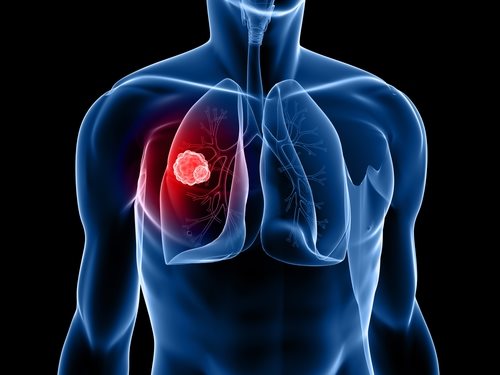
The pleura refers to the membrane that surrounds a human’s chest and lungs. This membrane (commonly referred to as the mesothelium) lines a number of body cavities. Although the pleura surrounds the lungs, cancer of this lining is not actually classified as lung cancer.
Similar to all forms of mesothelioma, pleural mesothelioma may be extremely complex to diagnose. Because of this difficulty and because the disease is linked to habitual asbestos exposure, you must immediately inform your doctor regarding prolonged asbestos contact if applicable.
In most cases, Stage II Mesothelioma is treatable; however, the problem associated with treatment lies in accurately diagnosing pleural mesothelioma (diagnosis of mesothelioma during the condition’s early stages is notoriously arduous). The primary impediment to accurate diagnosis is found in the lack of observable symptoms—a patient may not experience symptoms for decades (the latter stages) following the formation of mesothelioma in the chest or lungs.
Staging Systems Associated with Mesothelioma:
Mesothelioma is classified through the use of three systems: TNM, the Butchart Model and the Brigham System. These three systems are utilized to stage the progression of pleural mesothelioma. Frequently, pathologists and oncologists use the TNM model because it is more precise in describing a patient’s condition, how far the mesothelioma has progressed and with organs and bodily systems are impacted and to what extent.
Stage II mesothelioma under the Butchart model signifies that the disease has spread from the point of origin on one side of the abdomen or chest to the other side. This characteristic is often attached to tumors that have spread from one visceral lining to another.
Stage II mesothelioma under the Brigham model is not commonly used, for it only describes the extent to which the lymph nodes are affected. When the disease has reached Stage II, the lymph nodes are almost always impacted. The proliferation of the mesothelioma in Stage II makes the disease inoperable and treatment excessively difficult. Moreover, Stage II mesothelioma also means that a return of the cancer is almost forgone.
Stage II mesothelioma under the TNM classification model offers information regarding the tumor and its size, whether it has spread to the lymph nodes and whether or not the cancer has metastasized. Stage II mesothelioma under the TNM model holds no correlation to the other staging systems. Under this model, the cancer has typically spread to both sides of the abdomen or chest or from one visceral lining to another.
Stage II according to the TNM model typically regards the lymph nodes as unperturbed; as a result, there is a chance, under this model, that the tumor can be removed by way of surgery.