Epithelioid Mesothelioma
📅 2026 Update: Changes in Mesothelioma Awareness and Treatment Options
Since the article was written, new information has emerged regarding mesothelioma and its diagnosis and treatment. Key updates reflect changes in clinical practices and resources available to patients, including those related to legal claims and support for veterans. The earlier article continues further down the page.
🩺 New Diagnosis Insights
As of April 17, 2026, the CDC updated its "Mesothelioma Basics" page. It now includes details about a rare type of mesothelioma that occurs in the tissue around the testicles, known as tunica vaginalis. This highlights the need for awareness about all forms of mesothelioma, which can affect various body regions.
💰 Understanding Treatment Costs
The costs related to mesothelioma treatment can vary significantly. Healthcare providers and insurance plans may have different fee structures. Patients should consult their healthcare providers and insurance companies for the most accurate and current information on treatment expenses.
🏥 Collaborative Treatment Planning
Once diagnosed, patients will benefit from a multidisciplinary team approach to treatment planning. This team may include oncologists, surgeons, and other specialists to create a personalized treatment plan tailored to the patient's specific situation.
⏳ Claim Processing Times
Processing times for mesothelioma claims can differ greatly. Factors such as the type of claim and the jurisdiction impact how long it takes to receive compensation. Individuals should consult with legal professionals to understand expected timelines for their specific claims.
📑 Eligibility for Support
Eligibility for asbestos trust funds usually requires proof of asbestos exposure and a diagnosis of an asbestos-related illness. This can differ among various trust funds, making it essential for claimants to review the specific guidelines of each fund.
📌 Key Updates Summary
- 🩺 CDC now includes tunica vaginalis mesothelioma in updates.
- 💰 Treatment costs vary by provider and insurance.
- 🏥 A team of specialists is recommended for treatment planning.
- ⏳ Claim processing times can vary; consult legal professionals.
- 📑 Eligibility for asbestos trust funds requires proof of exposure and diagnosis.
💡 Practical Tips for Mesothelioma Patients
Review your medical situation thoroughly with your attorney.
🛡️ Know Your Rights
Understanding your legal rights is critical. Be aware of the legal avenues for compensation available to you if diagnosed with mesothelioma due to asbestos exposure.
🏥 Research Treatment Options
Explore various treatment options available for mesothelioma. Options may include surgery, chemotherapy, radiation therapy, and emerging treatments, depending on the cancer's specifics.
🌐 Seek Support Groups
Connect with support groups and organizations that specialize in mesothelioma. These resources can provide emotional support and practical advice for patients and their families.
📆 Stay Informed on Clinical Trials
Consider participating in clinical trials to access new treatment approaches. Information on current trials can be found at ClinicalTrials.gov, which may offer additional options.
🏗️ Consider Environmental Safety
Be aware of potential asbestos exposure in older buildings. If renovations are planned, consult professionals for safe removal procedures to minimize risk.
📑 Keep Records
Maintain accurate records of medical treatments and expenses. This documentation is important for any potential claims related to asbestos exposure and treatment costs.
❓ Frequently Asked Questions
❓ What are the common symptoms of mesothelioma?
Symptoms can vary but often include chest pain, persistent cough, and difficulty breathing. Early detection is crucial for better treatment outcomes.
🕒 How long does it take to process mesothelioma claims?
Processing times can differ based on claim type and jurisdiction. It is advisable to consult legal professionals to understand specific timelines.
🤝 What support is available for veterans with mesothelioma?
Veterans diagnosed with mesothelioma due to asbestos exposure may be eligible for benefits through the Department of Veterans Affairs. It’s important to file claims promptly to access these services.
📊 Are there clinical trials available for mesothelioma patients?
Yes, clinical trials may provide access to new treatments. Current trials can be found at ClinicalTrials.gov, which lists ongoing research studies.
🏗️ How can I minimize asbestos exposure?
Avoiding exposure is crucial. If you work in environments where asbestos is present, follow safety guidelines and use protective equipment.
📑 What should I do if I suspect asbestos exposure?
If you think you have been exposed to asbestos, consult a healthcare provider for evaluation. Keeping thorough records of exposure is also important for potential claims.
⚖️ Recent Cases in Mesothelioma Litigation
Recent court rulings have impacted how mesothelioma cases related to asbestos exposure are handled. These rulings can influence compensation and eligibility for support.
- Court Remands Veterans Affairs Case on Disability RatingUnited States Court of Appeals for Veterans Claims · July 27, 2026
- Court affirms dismissal of toxic exposure claims against LockheedCourt of Appeals for the Eleventh Circuit · July 28, 2026
- Veterans Court Rules on Attorney Fees for Service ConnectionUnited States Court of Appeals for Veterans Claims · July 16, 2026
- Texas Court dismisses appeal in veterans' housing caseTexas Court of Appeals, 1st District (Houston) · July 14, 2026
For more details, feel free to check more rulings on the news page.
End of October 2026 Update
What is Epithelioid Mesothelioma?
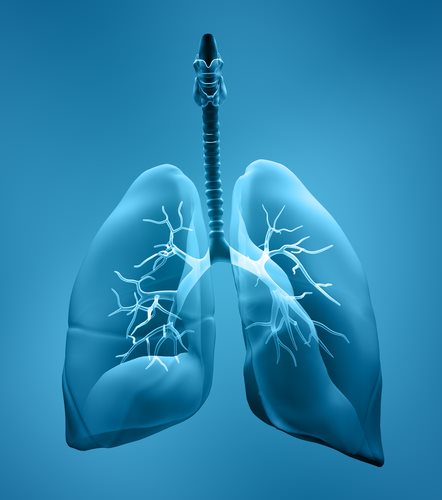
Epithelioid mesothelioma is a common form of mesothelioma cancer—this particular condition accounts for 50-70% of all mesothelioma cases. The indicators for epithelioid mesothelioma are very similar to adenocarcinoma of the lungs. The origin of the condition is the primary factor to distinguish between these two medical conditions.
The condition is not easily identifiable through a microscopic evaluation of the cells. To determine the form of mesothelioma, a medical professional must perform a thoracoscopy or similar type of surgical biopsy. These surgeries enable a medical professional to examine the cells and tissue surrounding or associated with the tumor. During these procedures, a sample of the tumor is extracted from the body for further evaluation.
The mesothelium is an epithelium that is a specific layer of tissue which surrounds the organs of the human body. These tissues aim at protecting the body through filtration, secretion, excretion and absorption.
Mesothelioma forms in the outer epithelium after an individual perpetually exposes him/herself to asbestos filaments and microfibers. Asbestos fibers may sit in the epithelium and go unnoticed for up to 40 or 50 years. Epithelioid mesothelioma forms in the mesothelium, whereas adenocarcinoma of the lungs originates in the inner epithelium of vital organs.
Although both adenocarcinoma and epithelioid mesothelioma possess uniform cellular appearances, epithelioid mesothelioma is uniformly cube shaped and proliferates throughout the body.
Epithelial mesothelioma is a particular condition that affects the epithelial cells or layer of cells that protect the internal surfaces of the human body. When these cells turn cancerous, they are renamed epithelioid cells. Epithelioid mesothelioma often occurs or is attached with pleural mesothelioma cases.
Causes of Epithelioid Mesothelioma:
Perpetual contact with asbestos is the primary cause of epithelioid mesothelioma. The number of patients diagnosed with this disease is growing every day; this surge is widely due to the fact that the disease is slow-forming.
Treatment Options Associated with Epithelioid Mesothelioma:
Treatment options associated with epithelioid mesothelioma are similar for all other mesothelioma cases and cell types. The differentiation regarding treatment is tied into the stage and location of the affected cells and not the cell type. That being said, epithelioid cells respond best to aggressive treatment options. The most common treatment options associated with epithelioid mesothelioma include: surgery, radiation therapy and chemotherapy.
Epithelioid mesothelioma possesses a better prognosis when compared to biphasic and sarcomatoid subtypes. The survival timeframe for those affected patients is approximately one year following diagnosis.