Gene Therapy
📅 2026 Update: Advancements in Mesothelioma Treatment
Significant changes have occurred in mesothelioma treatment since the original article was written. New therapies have gained FDA approval, and updated guidelines are shaping surgical options. The information below highlights the most important updates related to mesothelioma, particularly regarding treatment options and resources.
🧪 FDA Approvals of New Treatments
In September 2024, the FDA approved Keytruda® (pembrolizumab) for pleural mesothelioma. This drug is now used in combination with pemetrexed and platinum chemotherapy. The KEYNOTE-483 trial showed that this combination offers a median overall survival of 17.3 months compared to 16.1 months with chemotherapy alone.
💊 Combination Therapy Approval
Another significant approval in 2024 was for the combination of Opdivo® (nivolumab) and Yervoy® (ipilimumab) for inoperable malignant pleural mesothelioma. The CheckMate 743 trial reported a median overall survival of 18.1 months for patients receiving this combination, compared to 14.1 months with chemotherapy alone.
🏥 Updated Surgical Guidelines
The NCCN 2026 Guidelines now recommend pleurectomy/decortication (P/D) as the preferred surgical option for pleural mesothelioma. Extrapleural pneumonectomy (EPP) is reserved for rare cases, and surgery is no longer listed as a treatment for stage 2 through stage 4 pleural mesothelioma of any cell type.
💰 Current Treatment Costs
As of October 2026, the average wholesale price (AWP) for Keytruda® is approximately $10,000 per 100 mg vial. For Opdivo®, the AWP is about $7,000 per 100 mg vial, and for Yervoy®, it is roughly $1,200 per 50 mg vial. Treatment costs can vary based on individual patient needs and insurance coverage.
📌 Key Points Summary
- 🧪 Keytruda® approved for pleural mesothelioma.
- 💊 Combination therapy of Opdivo® and Yervoy® shows improved survival.
- 🏥 NCCN recommends pleurectomy/decortication as the preferred surgical option.
- 💰 Current costs for Keytruda® and other treatments have been outlined.
- 📅 Updates reflect ongoing advancements in mesothelioma treatment options.
💡 Tips for Mesothelioma Treatment
Review your specific situation with your attorney to ensure you understand all options available to you.
🏥 Understand Treatment Options
Stay informed about the latest treatments approved for mesothelioma. New therapies like Keytruda® and the Opdivo® and Yervoy® combination may offer better survival rates for patients with advanced conditions.
📅 Know Your Eligibility
Eligibility for new treatments is crucial. Keytruda® is for patients with unresectable advanced or metastatic pleural mesothelioma who haven't had prior systemic therapy. Always check with your healthcare provider for specific eligibility criteria.
💊 Explore Clinical Trials
Consider participating in clinical trials for mesothelioma treatments. These trials may provide access to new therapies that are not widely available yet. Discuss potential options with your healthcare provider.
📋 Review Financial Assistance Programs
Look into financial assistance programs for covering treatment costs. Since cancer treatment can be expensive, understanding your insurance coverage and available aid can help alleviate financial burdens.
📞 Utilize Support Resources
Reach out to nonprofit organizations for support. The Mesothelioma Applied Research Foundation and the National Cancer Institute offer valuable resources and guidance on treatment options and support networks.
🏆 Free Options Ranked by User Reviews (2026)
No national paid service met the review threshold for mesothelioma resources. Instead, here are free government and nonprofit options that can help those affected by mesothelioma.
🥇 1. Mesothelioma Applied Research Foundation
This nonprofit organization provides resources and support for mesothelioma patients. They offer information on treatment options, clinical trials, and assist patients in navigating their healthcare journey.
🥈 2. National Cancer Institute (NCI)
The NCI offers comprehensive information about mesothelioma. They provide guides on treatment options, ongoing clinical trials, and helpful resources for patients and families affected by this disease.
🔎 Considerations Before Paying for Help
- 📑 Review credentials of any service you consider.
- 🔍 Check for user reviews and ratings.
- 🏢 Ensure the service is nonprofit or government-funded.
- 📞 Contact previous users for their experiences.
❓ Frequently Asked Questions
🤔 What is pleural mesothelioma?
Pleural mesothelioma is a type of cancer that affects the lining of the lungs. It is primarily caused by asbestos exposure and can be difficult to diagnose early.
🧑⚕️ Are there new treatments for mesothelioma?
Yes, recent FDA approvals include Keytruda® and the Opdivo® and Yervoy® combination, which have shown improved survival rates in clinical trials.
📅 What are the latest surgical guidelines for mesothelioma?
The NCCN 2026 Guidelines now recommend pleurectomy/decortication as the preferred surgical option, reserving extrapleural pneumonectomy for rare cases.
💰 How much do new mesothelioma treatments cost?
The average wholesale price for Keytruda® is about $10,000 per 100 mg vial, while Opdivo® and Yervoy® have varying costs based on dosage.
⚖️ How can I access clinical trials?
Patients interested in clinical trials should discuss potential options with their healthcare providers and reach out to clinical trial coordinators for specific information.
❓ What support resources are available?
Organizations like the Mesothelioma Applied Research Foundation and the National Cancer Institute offer valuable support and resources for patients and families affected by mesothelioma.
⚖️ Recent Court Cases Impacting Mesothelioma Claims
Recent court rulings have addressed various aspects of mesothelioma claims, including compensation and liability for asbestos exposure. These cases can significantly influence how claims are processed and resolved.
- Court Remands Veterans Affairs Case on Disability RatingUnited States Court of Appeals for Veterans Claims · July 27, 2026
- Court affirms dismissal of toxic exposure claims against LockheedCourt of Appeals for the Eleventh Circuit · July 28, 2026
- Veterans Court Rules on Attorney Fees for Service ConnectionUnited States Court of Appeals for Veterans Claims · July 16, 2026
- Texas Court dismisses appeal in veterans' housing caseTexas Court of Appeals, 1st District (Houston) · July 14, 2026
For more information on recent rulings, please check more rulings on the news page.
End of October 2026 Update
What is Gene Therapy?
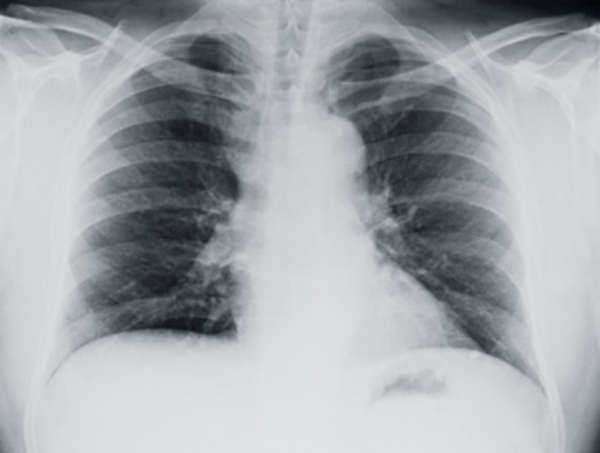
Gene therapy utilized DNA as a pharmaceutical agent to treat cancerous diseases. Gene therapy derives its name from the premise that DNA can be used to alter or supplement genes within a human’s cells as a means to treat disease. The most prolific form of gene therapy uses DNA that encodes a therapeutic gene to replace mutated ones. Other types of gene therapy will involve a direct action to correct mutations in the cell’s bodies. More direct treatment options uses DNA that encodes a protein drug to provide therapy to altered bodies. In this form of gene therapy, a protein drug (rather than a natural gene) intercepts the DNA located inside the cells within the human body. When inside, the DNA becomes expressed, resulting in the production of new proteins. These therapeutic proteins are used to treat the individual’s disease.
How is Gene Therapy Used for Mesothelioma?
Gene therapy, by accessing a patient’s genetic code that is responsible for predisposing the body to cancer, is used to combat mesothelioma. Gene therapy aims to understand how and why proteins within cells are resilient to cancer, while others are not. Therefore, gene therapy not only aims to eliminate cancerous cells from metastasizing, but also seeks to understand why the human body is susceptible to the proliferation of the disease.
In the past, it was thought that a human’s gene makeup was complete upon birth. This thought operated under the premise that the body could not affect conditions during life. This; however, is not the case—a number of human activities, including exposure to sunlight, smoking and digesting certain foods can affect a human’s DNA. Once DNA is affected, the body’s genetic code changes. New insight provided by these alterations caused medical professionals to view several conditions like mesothelioma in a new light.
The genes latent in gene therapy are referred to as “suicide genes”. These genes have been researched as a means to stop the replication of malignant cells. Studies have also begun to evaluate if the replacing cancer generating genes with genes susceptible to certain remedies is a reasonable means to eradicate mesothelioma cells.
In essence, mesothelioma sufferers become infected with a “healthy infection” that attacks “bad cells” to ultimately shift their genetic landscape. The two primary gene therapy treatment options to combat mesothelioma include:
Replacement Gene Therapy: This form of mesothelioma gene therapy replaces missing or damaged genes with normal genes that regulates cell division and cell growth. The replaced genes then attempt to suppress tumor growth.
Knockout Gene Therapy: This form of gene therapy helps combat mesothelioma cancer by assaulting genes that create tumors.
What to Know About Mesothelioma Gene Therapy:
Gene therapy as a means to combat mesothelioma cancer attempts to alter a gene’s structure or function. This mesothelioma treatment option is a promising treatment that is currently being tested. The concept behind gene therapy is somewhat simple: gene therapy attempts to replace faulty genes with ones that work properly.
Gene therapy is currently undergoing clinical trials. Any disorder or cancerous disease that involves genetic changes may be a candidate for this type of treatment. Cancer, because it incorporates several gene flaws, may require gene therapy to be used in conjunction with other cancer therapies, like chemotherapy.