Stage I Mesothelioma
📅 2026 Update: Recent Changes in Mesothelioma Understanding and Support
Since the original article on Stage I Mesothelioma was published, there have been important updates in the field of mesothelioma, especially regarding diagnosis and treatment options. The Centers for Disease Control and Prevention (CDC) has added new insights into the rare form of mesothelioma that occurs in the tissue around the testicles. This change reflects the ongoing efforts to improve understanding and support for patients affected by this cancer.
The following sections will highlight the most significant updates since the article was written. Readers can find more detailed information further down the page.
🩺 New Diagnosis Insights
As of April 17, 2026, the CDC updated its "Mesothelioma Basics" page. This update includes information about a rare form of mesothelioma found in the tunica vaginalis, which is the tissue surrounding the testicles. This addition emphasizes the need for awareness and understanding of all forms of mesothelioma.
🏥 Treatment Planning Updates
Once diagnosed, a multidisciplinary team plays a crucial role in developing a treatment plan. This team typically includes medical oncologists, radiation oncologists, and other specialists. Their collaboration ensures that patients receive personalized care tailored to their specific needs.
💸 Cost of Care
The costs associated with mesothelioma treatments can vary significantly based on healthcare providers and insurance coverage. Patients should consult their healthcare providers and insurance companies to obtain accurate and current cost information. Understanding these costs is essential for effective treatment planning.
⏳ Claims Processing Times
Processing times for mesothelioma claims can differ based on the claim type and jurisdiction. Patients seeking compensation for asbestos exposure should consult legal professionals to understand the expected timelines for their specific claims. This knowledge can help in better navigating the claims process.
📄 Eligibility for Assistance
Eligibility for asbestos trust funds requires proof of asbestos exposure and a diagnosis of an asbestos-related disease. Criteria vary among different trust funds, so claimants should review the specific guidelines. Veterans diagnosed with mesothelioma due to military-related asbestos exposure may also be eligible for benefits through the Department of Veterans Affairs.
📌 Key Updates Summary
- 🩺 CDC now includes rare mesothelioma in tunica vaginalis.
- 🏥 Treatment involves a team of specialists for personalized care.
- 💸 Costs vary; consult providers for accurate information.
- ⏳ Claims processing times depend on type and jurisdiction.
- 📄 Eligibility for trust funds requires proof of exposure and diagnosis.
💡 Tips for Understanding Mesothelioma Care and Claims
Reviewing your specific situation with an attorney is crucial for navigating mesothelioma claims and treatment options.
📋 Understand Your Diagnosis
Knowing the specifics of your mesothelioma diagnosis is essential. This includes understanding the stage of cancer and the type of mesothelioma you have, as these factors influence treatment options and prognosis.
🏥 Explore Treatment Options
Treatment options for mesothelioma may include surgery, chemotherapy, radiation therapy, immunotherapy, or targeted therapy. Discuss these options with your medical team to determine what is most appropriate for your condition and overall health.
📅 Be Aware of Claims Deadlines
If you plan to file a claim related to asbestos exposure, be mindful of the deadlines for submission. Each trust fund may have different deadlines, and it is important to file promptly to ensure eligibility.
📞 Seek Support Services
Utilize support groups and counseling services for emotional and practical assistance. Organizations like the American Cancer Society offer resources to help patients and families cope with mesothelioma challenges.
💡 Investigate Financial Assistance Programs
Look into financial assistance programs provided by nonprofit organizations to help manage medical costs. Many of these programs can support patients facing financial burdens due to treatment expenses.
🔍 Stay Informed on Research Developments
Stay updated on ongoing research and clinical trials for mesothelioma treatments. Participating in these trials may provide access to new therapies that are not yet widely available.
❓ Frequently Asked Questions
🤔 What is the prognosis for mesothelioma?
The prognosis for mesothelioma varies based on the type, stage at diagnosis, and overall health of the patient. Early detection and treatment can improve outcomes significantly.
🏅 How can I find support groups for mesothelioma?
Support groups for mesothelioma are available through various organizations, including the American Cancer Society. These groups offer emotional support and resources for patients and their families.
📋 What is the role of a multidisciplinary team in treatment?
A multidisciplinary team of specialists works together to create a personalized treatment plan for mesothelioma patients. This team typically includes oncologists, surgeons, and supportive care providers.
📄 How do I know if I'm eligible for asbestos trust funds?
To be eligible for asbestos trust funds, you generally need to provide evidence of asbestos exposure and a diagnosis of an asbestos-related disease. Each trust has specific requirements to review.
⏳ What should I know about filing claims?
Filing claims for mesothelioma can vary based on the type of claim and jurisdiction. It is essential to be aware of deadlines and gather the necessary documentation for a successful claim.
📊 How can I stay informed about mesothelioma research?
You can stay informed about mesothelioma research by accessing resources from reputable organizations and considering participation in clinical trials. Websites like ClinicalTrials.gov provide information on ongoing studies.
⚖️ Recent Court Rulings Related to Mesothelioma Cases
Recent court rulings have focused on mesothelioma cases, particularly those involving asbestos exposure. These rulings highlight the ongoing legal challenges faced by individuals seeking compensation for asbestos-related health issues.
- Court affirms remand of asbestos case against General ElectricCourt of Appeals for the Sixth Circuit · September 9, 2026
- Texas Court Rules on Radiation Exposure Malpractice CaseTexas Court of Appeals, 15th District · August 25, 2026
- Court Amends Opinion in Veterans Affairs Case Edwards v. CollinsUnited States Court of Appeals for Veterans Claims · August 24, 2026
- Court rules on veterans' benefits effective date disputeUnited States Court of Appeals for Veterans Claims · August 24, 2026
For more insights into the latest rulings, feel free to browse more rulings on the news page.
End of October 2026 Update
Stage I Pleural Mesothelioma
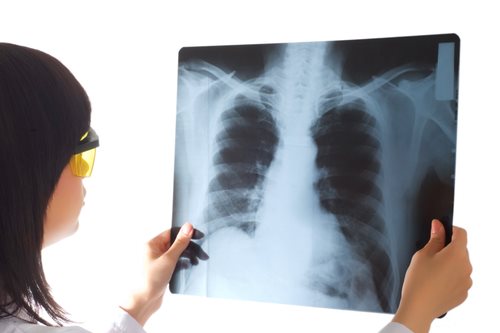
What is Stage I Pleural Mesothelioma?
Pleural mesothelioma is the most common form of mesothelioma, comprising over two-thirds of all mesothelioma diagnoses. Pleural mesothelioma affects the lining of the chest cavity and lungs.
The pleura refers to the membrane that surrounds a human’s chest and lungs. This membrane (commonly referred to as the mesothelium) lines a number of body cavities. Although the pleura surrounds the lungs, cancer of this lining is not actually classified as lung cancer.
Similar to all forms of mesothelioma, pleural mesothelioma may be extremely complex to diagnose. Because of this difficulty and because the disease is linked to habitual asbestos exposure, you must immediately inform your doctor regarding prolonged asbestos contact if applicable.
What is the First Stage of Pleural Mesothelioma?
As is common with all forms of cancer, pleural mesothelioma evolves through distinct stages. Stage 1 Pleural mesothelioma is the first stage of the condition. During this phase, pleural mesothelioma is most treatable, yet far harder to detect.
Oncologists and other medical professionals use several systems to classify the stages of various forms of cancer. With pleural mesothelioma, there are three distinct systems used:
•TNM
•The Brigham System
•The Butchart System
The Butchart System utilizes Roman numerals to categorize pleural mesothelioma patients according to how far the disease has evolved or progressed. TNM, which stands for tumor, node and metastasis, is utilized to describe the progression of pleural mesothelioma. Within each category of this system there are five subcategories, numbered 0-4, to identify the extent of the tumors. And lastly, the Brigham system is used to describe whether or not the lymph nodes are affected and if the tumor can be surgically removed.
Stage 1 Pleural mesothelioma within the Butchart model describes a patient whose tumor is limited to one side of the chest. In this stage, the tumor may appear on the surface of the lung, the mesothelium (the visceral lining surround ding the diaphragm or heart), but has not yet impacted the inner chest cavity. Stage 1 Pleural mesothelioma within the Butchart System is treatable; however, the associated symptoms are not readily observable and may be mistaken for another condtion.
Stage 1 Pleural mesothelioma under the TNM classification model would describe a tumor that is confined to one location, and has thus, not metastasized or spread to the lymph nodes. Alterations in this classification would signify a growth in the tumor, still without affecting the lymph nodes.
Stage 1 Pleural mesothelioma in the Brigham system signifies that the tumor has not spread to the lymph nodes. Because of this relative confinement, Stage 1 Pleural mesothelioma may be removed through surgery. The surgery; however, will not preclude a return of the malignancy.