Chest Pain
📅 2026 Update: Changes in Mesothelioma Understanding and Treatment
Since the original article was written, important updates have emerged regarding mesothelioma, especially concerning its causes and treatment costs. The Centers for Disease Control and Prevention (CDC) now emphasizes that asbestos exposure causes most cases of mesothelioma. This adds to the urgency for awareness and preventive measures.
Below are significant updates relevant to mesothelioma. For more detailed information, continue reading the earlier article further down the page.
⚠️ New CDC Emphasis on Asbestos Exposure
As of April 17, 2026, the CDC has reaffirmed that exposure to asbestos is the primary cause of mesothelioma. This highlights the need for ongoing education and prevention efforts. Awareness can help protect individuals from exposure in high-risk occupations.
💰 Rising Treatment Costs
The costs associated with treating mesothelioma have increased. The average hospital cost for a pleurectomy/decortication (P/D) procedure is now about $53,993. Additionally, a typical chemotherapy regimen costs around $38,779 for six cycles.
Understanding these financial aspects is crucial for patients and families planning their care.
🧪 Advances in Diagnostic Procedures
Diagnosing mesothelioma usually involves a physical exam, imaging tests like chest X-rays or CT scans, and potentially a biopsy. These procedures remain essential for confirming the presence of cancer cells. Early diagnosis can lead to better treatment outcomes.
⏳ Claim Processing Times
Processing times for mesothelioma claims can differ significantly based on the case's complexity. It is important for those affected to stay informed about the legal landscape and consult with legal professionals for personalized timelines.
📜 Eligibility for Compensation
Individuals diagnosed with mesothelioma may be eligible for compensation through various avenues, including asbestos trust funds and veterans' benefits. Eligibility criteria often depend on exposure history and employment. Understanding these options can aid in accessing necessary support.
📌 Key Points to Remember
- ⚠️ CDC stresses asbestos exposure as the main cause of mesothelioma.
- 💰 Treatment costs have risen significantly, with procedures averaging over $53,000.
- 🧪 Diagnostic methods remain crucial for early detection.
- ⏳ Claim processing times vary; seek personalized guidance.
- 📜 Compensation eligibility depends on exposure history and employment.
💡 Tips for Managing Mesothelioma Challenges
Reviewing your specific situation with an attorney is essential for understanding your options related to mesothelioma.
🏥 Understand Treatment Options
Mesothelioma treatment typically includes surgery, chemotherapy, and radiation therapy. The choice of treatment depends on the disease stage and the patient’s overall health. Discussing all available options with healthcare providers can help in making informed decisions.
📅 Monitor for Symptoms
Regular medical check-ups are vital for individuals with a history of asbestos exposure. Monitoring for early signs of mesothelioma can lead to timely interventions. Common symptoms include chest pain, coughing, and unexplained weight loss.
📋 Know Your Rights
Individuals diagnosed with mesothelioma have legal rights to seek compensation. This may include filing claims against responsible parties or accessing asbestos trust funds. Staying informed can empower patients to pursue their rights.
🤝 Seek Support Services
Support services are available through organizations like the American Lung Association. These services can offer counseling and information about mesothelioma treatment and management. Engaging with support networks can ease the emotional burden.
📖 Stay Informed
Advancements in mesothelioma research are ongoing. Keeping up with the latest findings can provide insight into new treatment options and clinical trials. Patients and families should consider all possibilities for care.
🧑🤝🧑 Engage with Support Groups
Participating in support groups can be beneficial for those affected by mesothelioma. These groups provide emotional support and practical advice from people experiencing similar challenges. Connecting with others can foster a sense of community.
🏆 Free Options Ranked by User Reviews (2026)
No national paid services in this area met the review threshold for quality. Instead, this section highlights free government and nonprofit resources that provide support for individuals affected by mesothelioma.
🥇 1. American Lung Association
The American Lung Association offers valuable resources for individuals impacted by mesothelioma. They provide information on symptoms, diagnosis, treatment options, and support services. This organization helps patients and families navigate the challenges associated with the disease.
🥈 2. Centers for Disease Control and Prevention (CDC)
The CDC is a key resource for comprehensive information on mesothelioma. They cover causes, symptoms, risk factors, and preventive measures related to asbestos exposure. Their educational materials can help individuals understand mesothelioma better.
🥉 3. National Cancer Institute (NCI)
The National Cancer Institute provides detailed information on mesothelioma treatment and clinical trials. They aim to improve patient outcomes through research and education. This resource is beneficial for those seeking the latest advancements in care.
4️⃣ Veterans Affairs (VA)
Veterans who were exposed to asbestos during military service may be eligible for benefits through the Department of Veterans Affairs. The VA offers healthcare and compensation options for veterans diagnosed with mesothelioma. This support is crucial for affected service members.
🔎 What to Check Before Paying for Help
- ⚠️ Verify credentials of anyone offering paid services.
- 📄 Look for reviews or testimonials from previous clients.
- 💬 Ensure transparency about fees and services provided.
- 📞 Ask for a detailed breakdown of their services before committing.
❓ Frequently Asked Questions
🤔 What are the most common symptoms of mesothelioma?
The most common symptoms include chest pain, coughing, and shortness of breath. Patients may also experience unexplained weight loss and fatigue.
🧑⚕️ How is mesothelioma diagnosed?
Mesothelioma is typically diagnosed through a physical exam, imaging tests like CT scans or X-rays, and a biopsy to confirm cancer cells. Early detection is important for effective treatment.
⏰ What are the deadlines for filing mesothelioma claims?
Deadlines for filing mesothelioma claims vary by state. It is crucial for individuals to consult with legal professionals to ensure compliance with applicable deadlines.
💵 How much does mesothelioma treatment cost?
The average cost for a pleurectomy/decortication procedure is approximately $53,993, while a typical chemotherapy regimen costs about $38,779 for six cycles. These costs can impact financial planning for treatment.
🏛️ What resources are available for mesothelioma patients?
Patients can access resources from organizations like the American Lung Association and the CDC. These resources provide support, information, and guidance for managing mesothelioma.
👥 Can support groups help mesothelioma patients?
Yes, support groups offer emotional support and practical advice for those affected by mesothelioma. Engaging with others facing similar challenges can foster a sense of community.
⚖️ Recent Court Rulings in Mesothelioma Cases
Recent court rulings have impacted mesothelioma claims and compensation avenues. These rulings highlight the ongoing legal battles surrounding asbestos exposure and patient rights.
- Court rules teacher entitled to sick leave after COVID-19 exposureNew Jersey Superior Court Appellate Division · April 6, 2023
- Texas court dismisses appeal by veterans mortgage trustTexas Court of Appeals, 3rd District (Austin) · June 12, 2026
- Court Affirms Ruling in Steenkamp v. Secretary of Veterans AffairsDistrict Court of Appeal of Florida · October 20, 2023
- Court rules on medical malpractice case involving cancer diagnosisAppellate Division of the Supreme Court of the State of New York · September 2, 2026
For more recent rulings, visit the news section for more rulings on the news page.
End of October 2026 Update
What is Mesothelioma Cancer?
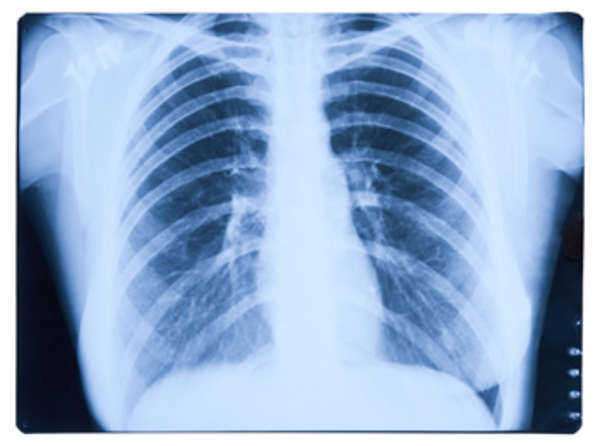
Mesothelioma cancer is an unusual disease that disrupts the mesothelial cells of the serous membranes. The prominent form of mesothelioma cancer, referred to as Pleural mesothelioma, impacts the lining of the lungs. Roughly 2,500 individuals are formally diagnosed with mesothelioma cancer each year.
Mesothelioma cancer disturbs the membranes of several large cavities in the human body. Referred to as serous cavities, these cavities shield a number of organs in the body, including the lungs and heart; membranes that adhere to these cavities protect vital organs from abrasions that occur from daily movements, such as heart beats or breathing. The serous membranes derive from the body’s mesothelial cells, which form to create the mesothelium or the protective tissue of the serous membranes.
Malignant Mesothelioma may be observed in the following forms:
Pericardial Mesothelioma: Takes place in the pericardium, which is the protective tissue surrounding the heart.
Peritoneal Mesothelioma Cancer: Takes place in the peritoneum, which is the protective membrane of the abdomen. This type of mesothelioma cancer is exceedingly rare and may also form in the male testicles or more specifically the tissues surrounding the scrotum.
Pleural Mesothelioma Caner: As previously mentioned, this is the most common form of mesothelioma cancer. This form of mesothelioma cancer disrupts the lining of the lung cavity.
The majority of mesothelioma cases derive from asbestos exposure. It must be stated; however, that not everyone who is in contact with asbestos-containing materials will be infected with malignant mesothelioma cancer.
All mesothelioma cancer cases originate from acute tumors. Prognosis attached to the disease is bleak because the cancer is susceptible to rapid proliferation. The cancer is likely to metastasize because symptoms are inconspicuousness; a mesothelioma sufferer will likely not notice mesothelioma symptoms until 25-50 years following their first exposure to asbestos fibers.
Mesothelioma cancer is highly lethal. When detected, the condition has typically metastasized to several vital areas of the body. Because the disease is difficult to detect, prognosis for mesothelioma sufferers is extraordinarily pessimistic. The regular survival period for mesothelioma patients is only 1 to 2 years after diagnosis. This survival timeframe; however, fluctuates based on the form of mesothelioma cancer and the overall health of the patient.
Symptoms Associated with Mesothelioma Cancer
Mesothelioma cancers are difficult to diagnose because the symptoms are slow-forming. A mesothelioma cancer patient will not notice mesothelioma symptoms 25-50 years following the initial exposure to asbestos. Moreover, diagnosis is difficult because the cellular makeup of mesothelioma cancer is indistinguishable from other, more common, diseases.
Common mesothelioma symptoms (especially those associated with pleural mesothelioma cancer) include the following:
•Persistent coughing (a mesothelioma cough is dry and does not project phlegm)
•Pleural Effusions (build-up of fluids in the lungs) with traces as blood
•Difficulty swallowing
•Severe Chest Pain
•Hemoptysis (Coughing up blood)
•Chronic fatigue
•Fever
•Sweating
•Shortness of breath
•Development of lumps on the chest and under the skin
•Persistent pain in the chest area and the ribs, which complicates breathing
•Severe and unexpected weight loss
Mesothelioma Symptoms: Chest Pain
Mesothelioma derives from prolonged exposure to asbestos fibers. The disease forms when carcinogens of normal cells in the mesothelium (lining of the lungs and other organs) after a long latency period.
Mesothelioma cancer occurs in either the abdomen or the lungs; however, it can affect other vital organs, such as the heart. In infrequent cases, mesothelioma cancer spreads to other organs including the spleen or liver.
Approximately 75 percent of mesothelioma diagnoses are of the pleural mesothelioma variety, where the cancer forms around the lungs. With prolonged asbestos exposure, the fibrous particles of the mineral stick to lungs and after a prolonged incubation period symptoms will form because of carcinogenesis.
The second most common form of the disease, peritoneal mesothelioma, affects the lining of the chest cavity, primarily through unintentional indigestion of asbestos filaments. If untreated, this form of mesothelioma cancer will spread to surrounding organs of the body.
In both forms of mesothelioma cancer—pleural and pericardial—the mesothelioma cancer may be mistaken for other conditions like influenza or pneumonia. In these types of mesothelioma cancer, one of the most common and painful symptoms is chest pain. When the mesothelioma spreads, it prohibits the natural function of the organs.
Mesothelioma chest pain occurs because as the mesothelioma spreads the tumors compress the chest and surrounding areas of the abdomen. Localized pain results from the proliferation of mesothelioma cancer; generalized pain occurs from widespread cell damage in the chest.
Difficulty swallowing or breathing and shortness of breath will augment mesothelioma chest pain. When a mesothelioma patient’s lungs are unable to properly regulate breathing and are instead fighting the cancer, the chest pain will intensify. For Pleural mesothelioma patients, when the cancer spreads to the lungs, the esophagus will constrict, radiating pain throughout the abdomen.
Additionally, the persistent cough—resulting from pleural effusion and shortness of breath-- attached to mesothelioma cancer, will cause pain.
Lastly, pericardial mesothelioma, which is the rarest form of mesothelioma cancer, will also yield significant chest pain. Because the lining of the heart is affected in pericardial mesothelioma cases, the natural muscular rhythm of the body will be altered. If the heart struggles to beat against the damaged lining, pain will shoot throughout the body. As the disrupted cells envelop the sac, the heart struggles to beat properly. For the bulk of pericardial mesothelioma patients, the proliferation of mesothelioma cancer in the heart perpetuates extraordinary chest pain. Several pericardial mesothelioma patients will notice symptoms that are akin to a heart attack—the chest paints associated with mesothelioma are extraordinarily painful.
Typically, chest pain is not a symptom of peritoneal mesothelioma cancer.