Benign Multicystic Mesothelioma
📅 2026 Update: Changes in Mesothelioma Awareness and Treatment
Since the original article was published, there have been important updates related to mesothelioma, particularly about its diagnosis and treatment options. The Centers for Disease Control and Prevention (CDC) has added information about a rare form of mesothelioma that occurs in the tissue around the testicles. This update highlights the ongoing need for awareness and research in this field.
The earlier article continues further down the page, providing foundational knowledge about mesothelioma, asbestos exposure, and legal considerations.
🦠 New Insights on Mesothelioma
In 2026, the CDC updated its "Mesothelioma Basics" page to include details on benign multicystic mesothelioma in the tunica vaginalis. This is a rare occurrence that emphasizes the need for ongoing research and awareness about different types of mesothelioma. Understanding these variations can help in early diagnosis and treatment options.
🏥 Evolving Treatment Options
Mesothelioma treatment options continue to grow. Patients diagnosed with this condition may receive surgery, chemotherapy, radiation therapy, immunotherapy, or targeted therapy. The treatment plan typically involves a multidisciplinary team, ensuring that each patient receives tailored care based on their specific situation.
📋 Diagnosis Process
The diagnosis of mesothelioma remains consistent, involving a physical exam, imaging tests like chest X-rays or CT scans, and a biopsy. Early detection is crucial for effective treatment, and advancements in imaging technology can aid in quicker and more accurate diagnoses.
⏳ Claims Processing Times
Processing times for mesothelioma claims can vary widely based on the type of claim and jurisdiction. Individuals are encouraged to consult relevant authorities or legal professionals to understand the expected timelines for their specific claims, especially as laws and regulations can change.
📅 Key Deadlines for Claims
Many asbestos trust funds have specific deadlines for filing claims. Although there is no specific deadline for veterans' benefits, applying promptly after diagnosis can help expedite the process. Staying informed about these timelines is essential for those seeking compensation.
📌 Key Points Summary
- New CDC update on rare mesothelioma types.
- Treatment options are expanding with personalized care.
- Diagnosis involves a thorough process with advanced imaging.
- Claims processing times vary; consult professionals.
- Timely filing of claims is crucial for benefits.
💡 Practical Tips for Mesothelioma Awareness
Reviewing your unique situation with an attorney can help clarify your options regarding mesothelioma claims and benefits.
🩺 Get Regular Screenings
If you have a history of asbestos exposure, it is important to discuss regular screenings for mesothelioma with your healthcare provider. Early detection can significantly impact treatment outcomes.
📑 Understand Your Insurance Coverage
Different healthcare providers and insurance plans have varying fee structures for mesothelioma treatments. It's essential to review your insurance policy to understand what is covered and what costs you might face.
👥 Engage a Multidisciplinary Team
Upon diagnosis, ensure you have a multidisciplinary team working on your treatment plan. This team typically includes specialists from various fields, which can lead to better and more comprehensive care.
🗓️ Be Aware of Claims Deadlines
Many asbestos trust funds have specific deadlines for filing claims. It's important to act quickly and understand these timelines to maintain eligibility for compensation.
🔍 Research Clinical Trials
Consider participating in clinical trials to access new treatments for mesothelioma. These trials often provide innovative therapies that may not be available elsewhere, contributing to your treatment options.
🤝 Seek Support Resources
Utilize support resources available for mesothelioma patients and families. Organizations like the American Cancer Society can offer guidance, emotional support, and practical advice during this challenging time.
❓ Frequently Asked Questions
❔ What are the symptoms of mesothelioma?
Common symptoms of mesothelioma include shortness of breath, chest pain, and persistent cough. These symptoms may vary based on the type and location of the cancer.
🏥 How is mesothelioma treated?
Treatment for mesothelioma can include surgery, chemotherapy, radiation therapy, immunotherapy, and targeted therapy. The choice of treatment depends on the cancer's type and stage.
📆 How long does it take to process mesothelioma claims?
Processing times for mesothelioma claims can vary widely based on the claim type and jurisdiction. Individuals should consult legal professionals for specific timelines.
🛡️ What kind of financial assistance is available?
Financial assistance can be available through asbestos trust funds, veterans' benefits, and nonprofit organizations. It's important to explore multiple resources for support.
📜 What are the eligibility criteria for asbestos trust funds?
Eligibility for asbestos trust funds typically requires proof of asbestos exposure and a diagnosis of an asbestos-related disease. Requirements can vary among different trusts.
🔍 How can I stay informed about mesothelioma research?
Staying informed about mesothelioma research can involve following reputable medical journals, attending conferences, or consulting healthcare providers about advancements in treatments.
⚖️ Recent Court Cases Related to Mesothelioma
Recent court rulings have addressed legal claims related to mesothelioma, particularly focusing on asbestos exposure and compensation. These rulings can influence ongoing and future claims for affected individuals.
- Court Rules on Veterans Appeals Process in Boehringer CaseUnited States Court of Appeals for Veterans Claims · July 15, 2026
- Court vacates decision on veterans' disability claimsUnited States Court of Appeals for Veterans Claims · June 30, 2026
- Court orders appointment of counsel in veterans caseUnited States Court of Appeals for Veterans Claims · June 29, 2026
- Court denies attorney fees for Veterans Legal Advocacy GroupCourt of Appeals for the Federal Circuit · June 1, 2026
For more insights into recent rulings, visit more rulings on the news page.
End of October 2026 Update
What is Benign Multicystic Mesothelioma?
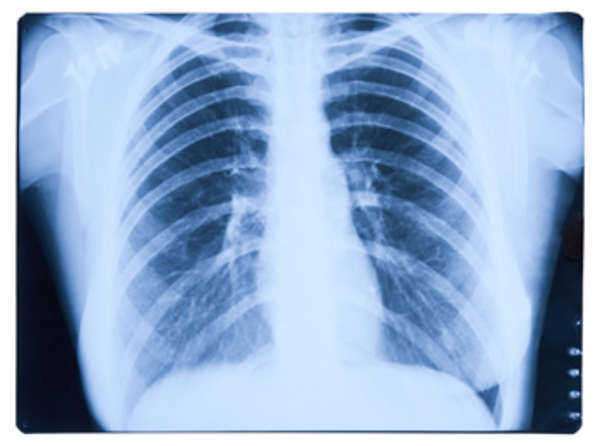
Benign Multicystic Mesothelioma (also referred to as peritoneal multicystic mesothelioma) is a benign form of peritoneal mesothelioma. Because the condition is benign, the affected tissue and cells are not cancerous and will not proliferate into the body. Benign Multicystic Mesothelioma forms because of perpetual exposure to asbestos. Similar to other forms of mesothelioma cancer, Benign Multicystic Mesothelioma is very difficult to diagnose.
To accurately diagnose benign multicystic mesothelioma a medical professional must take a biopsy of the patient’s infected tissue. When extracted for clinical trials and testing, benign multicystic mesothelioma cells will resemble health tissue, with minor alterations. When looking for benign multicystic mesothelioma, doctors will do the following:
•A medical professional will view the infected tissues under a microscope; benign multicystic cells are a combination of peritoneal and epithelial cells, which are oval in shape
•Multicystic mesothelioma cells have small dark spots on the surface and have a lighter shade of color than other cells.
•Benign multicystic mesothelioma cells are hard to the touch
•These characteristics do not change over time; these uniform characteristics are present because benign multicystic mesothelioma does not evolve or develop.
Benign Multicystic Mesothelioma: Treatment Options
Benign multicystic mesothelioma cells are sensitive to all types of treatment options, including drugs and more invasive techniques, such as surgery. Treatment is somewhat complex because of the benign nature; tumors may not be present and the lungs and peritoneum are only slightly impacted by the cancer. In rare cases when treatment is required, the following methods are most commonly applied:
•Pain Killers
•Surgery (a doctor will remove the tissue that is affected only if it causes the patient great pain)
•Special treatment drugs are employed to stop the condition from reappearing
Benign multicystic mesothelioma is not deadly. The most damage the disease can do is cause pain for the patient. As previously mentioned, the majority of people with benign multicystic mesothelioma will not experience symptoms or even know they have it.